CMS development with complete content control.

WordPress, Drupal, headless CMS, and bespoke editorial platforms. From content-heavy portals to omnichannel publishing systems. We've shipped 800+ projects since 2008 including for Sony, Volkswagen and the British Council.

AI-powered CMS development

Smarter content platforms. Faster editorial workflows.

We embed AI at every stage of the CMS development lifecycle from content modelling and automated migrations to SEO configuration and editorial workflow design so your platform ships faster and your editors publish without friction.

  • AI-assisted content type & taxonomy modelling

    Content structures, field groups, and taxonomy hierarchies generated from your information architecture reducing setup time and preventing structural debt from day one.

  • Intelligent code review & CMS standards checks

    Automated analysis catches security vulnerabilities, deprecated APIs, and performance anti-patterns specific to your CMS platform before they reach production.

  • AI-powered content migration & mapping

    Legacy content mapped, transformed, and validated automatically reducing manual migration effort and catching data quality issues before go-live.

  • SEO & structured data automation

    Meta templates, schema.org markup, canonical rules, and sitemap configuration generated and audited throughout development not retrofitted post-launch.

  • Smart editorial workflow documentation

    Content type docs, field guides, and editorial SOPs auto-generated from your CMS configuration so onboarding new editors takes hours, not weeks.

  • Predictive traffic & scalability analysis

    Traffic-pattern modelling flags caching gaps and server resource bottlenecks before high-traffic publishing events cause downtime.

Services We Offer

Not just an install. A launchable CMS platform.

CMS, in production

CMS-powered sites that editors actually love using.

Carefully crafted CMS platforms that give marketing and editorial teams full control fast to publish on, easy to maintain, and built to scale as your content strategy grows.

CMS tech stack

The right CMS for your content strategy.

We pick the right CMS platform, frontend delivery layer, and infrastructure that fits your editorial workflow, your team, and your traffic requirements.

Frontend
Flexible publishing.
Modern editorial workflows.
WordPress
Drupal
Contentful
Sanity
Next.js
Gatsby
From traditional CMS to headless the right platform for your editorial team and content scale.
Backend
Scalable APIs.
Secure by default.
Node.js
Python / Django
Laravel
.NET
Firebase
GraphQL
REST and GraphQL content APIs designed to keep your frontend decoupled and your editors in control.
Data & Enterprise Systems
Reliable storage.
Cloud-native infrastructure.
PostgreSQL
MongoDB
Redis
AWS / GCP / Azure
Elasticsearch
Stripe / Razorpay
Data infrastructure that scales with your publishing volume and keeps enterprise CMS integrations clean.
No vendor lock-in Pause, pivot or stop anytime.
Tailored to your goals Tech that fits your roadmap.
Built for speed & scale Deliver value, faster.
Secure by default Best practices, every time.
CMS website development Process

Six sprints. Your CMS live and your team publishing.

SPRINT 1 / Discovery

Content audit & information architecture

Existing content inventory, new taxonomy design, content type mapping, and editorial workflow definition. You leave with a confirmed IA, a content model, and a prioritised build list.

SPRINT 2-3 / Design

Design + content model prototyping

Wireframes, editorial UI prototypes, and a design system built around your content types. Reviewed by both your design and editorial teams before build begins.

SPRINT 3-6 / Build

CMS development, weekly demos

Friday demo, Friday invoice. Staged admin previews from sprint 3 onward so editors can trial the real interface not a slideshow. Pause anytime.

SPRINT 6 / Migration & Editorial QA

Content migration + editorial testing

Legacy content migrated, editorial workflows tested by real content team members, and Core Web Vitals met before sign-off.

SPRINT 7 / Launch

Go-live + day-zero monitoring

CDN, caching layers, and error tracking live on day one. We stay on through the first high-traffic publishing event.

+ ONGOING

Operate or hand off

Stay with us under SLA for ongoing feature development and editorial support, or take it home with full documentation and a 90-day warranty.

Industry expertise

We've shipped here. Many times over

Deep teams with industry context - not generalists googling compliance acronyms. Each industry below has 30+ shipped projects and a partner who knows the regulator.

Word of mouth

What clients tell their peers.

Real names, real companies, real numbers. Video on the left, written notes on the right - choose whichever feels more honest.

trieval

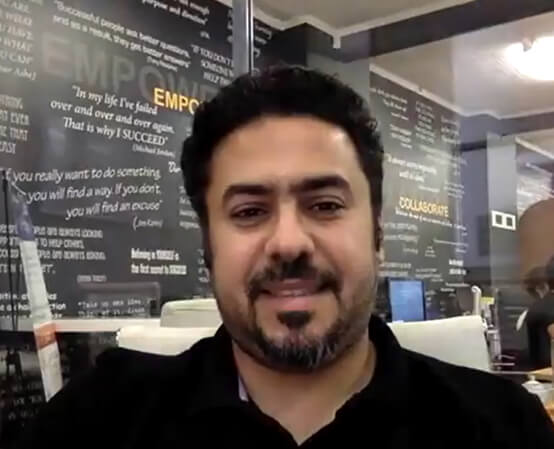
"They feel like our team — not a vendor."

RH
Ismail Abualsmah
CEO, Trieval
01:18
Repeat client
Although regulations prevented the site's launch, it met all requirements in terms of form and function. Fullestop's project plan charted a clear course to completion. The team's flexible, diverse talent pool enabled them to manage each stage of the project with consistent levels of skill.
Fast turnaround
Weekly demos, no surprises, and they push back when we're wrong. That last part is rare. Cut our cloud bill 47% in the first audit.

News & insights

Check Out the Latest Trends and Tech Discussions

We constantly come up with top-tier resources and breathtaking ideas that would help you stay informed about
the latest happenings in the tech world.

How to Create a Wellness App like Headspace?...

Today, smartphone users want an unwinding life through the same approach as uninstalling or deactivating social media applications or enabling airplan...

Read More Arrow

Is Website Maintenance Expensive? Breaking Down th...

The launch of your website is significant; however, it's not the end of the story. Consider your site as a storefront for your digital products, it ne...

Read More Arrow

From Concept to Launch: The AI Chatbot Development...

AI chatbots are the buzzword now. They are everywhere, and every business is talking about them. According to industry estimates by Juniper Research, ...

Read More Arrow

How to Budget for a Custom Web Development Project...

In 2026, your website is no longer just an online presence—it’s your digital headquarters. It’s an essential engine for growth, designed to crea...

Read More Arrow

Why CakePHP is a Smart Choice for Web Development ...

In the dynamic world of web development, the sheer number of available frameworks can be overwhelming. Yet, amidst this crowded landscape, PHP remains...

Read More Arrow

Why Laravel is the Best PHP Framework for Web Deve...

PHP is among the most well-known and oldest web development languages, and Laravel is the most well-known framework. The article below explains why. ...

Read More Arrow
Frequently Asked Questions

The questions every founder asks us.

  1. CMS website development is the process of building a website on a content management system a platform that lets non-technical users create, edit, and publish content without writing code. A CMS development company handles the technical setup, custom design, plugin integrations, and performance configuration so your editorial team gets a fully functional, easy-to-manage website from day one.

  2. The right CMS depends on your content volume, team size, and publishing workflow. WordPress suits most content-heavy websites and blogs. Drupal is ideal for enterprise portals with complex permissions and multilingual requirements. Headless CMS platforms like Contentful or Sanity work best when you need to deliver content across multiple channels — web, mobile, and beyond. Fullestop evaluates your content strategy, traffic expectations, and team before recommending a platform, ensuring you're not over-engineered or under-powered.

  3. A headless CMS decouples the content backend from the frontend delivery layer. Instead of a traditional all-in-one system, content is stored centrally and delivered via APIs to any frontend — website, app, kiosk, or smart device. You need a headless CMS if you publish content across multiple channels, want full frontend flexibility, or expect high traffic volumes requiring advanced caching. For single-channel websites with a lean editorial team, a traditional CMS is typically faster to build and easier to manage.

  4. Most CMS projects go from discovery to first live release in 4 to 12 weeks depending on scope. A straightforward WordPress build with a custom theme and standard plugins can be live in 4–6 weeks. A headless CMS implementation with content migration, custom editorial workflows, and third-party integrations typically takes 8–12 weeks. Fullestop runs weekly sprint demos so you can see real progress — not status updates — at every stage.

  5. Yes. Content migration is a core part of Fullestop's CMS development process. We audit your existing content, map it to the new content types and taxonomy, automate the migration where possible, and run editorial QA before go-live. This covers text, media, metadata, URLs, and redirects — ensuring no content is lost and your SEO equity is preserved during the transition.

  6. SEO configuration is built into the development process, not added after launch. This includes clean URL structures, meta template setup, schema.org markup, canonical rules, XML sitemaps, and Core Web Vitals compliance. Fullestop also automates structured data and sitemap generation during development so your site is indexable and search-ready from the moment it goes live.

  7. CMS development cost varies based on platform, design complexity, number of content types, integrations, and whether content migration is required. Simple WordPress builds typically start from a few thousand dollars, while enterprise headless CMS projects with custom workflows and migrations scale higher. Fullestop offers fixed-price, time-and-materials, and dedicated pod engagement models — you choose the structure that fits your budget and timeline predictability.

  8. Yes. Post-launch, Fullestop offers SLA-backed support covering security updates, plugin and platform version management, performance monitoring, and feature development. Alternatively, if you prefer to manage the CMS in-house, we hand over full documentation and provide a 90-day warranty period so your team has a safety net as they take ownership.

  9. Yes. For businesses with highly specific editorial workflows, content governance requirements, or proprietary data structures that off-the-shelf platforms cannot accommodate, Fullestop builds fully bespoke CMS platforms. Custom CMS development gives you complete control over the admin interface, user roles, content approval workflows, and API architecture — with no licensing costs or platform dependency.

  10. The fastest way to get started is to describe your project using Fullestop's AI Project Scoper — you'll get a recommended service mix, team shape, and price band in 60 seconds. Alternatively, you can book a free 30-minute discovery call with a tech lead to discuss your content strategy, platform options, and timeline before committing to anything.

Pick your starting line

Three ways to get the wheels turning.

No matter where you are - back-of-napkin idea or migrating a 7-year-old monolith - we have a low-risk first step.