eCommerce solutions built for traffic, sales, and growth.

Custom eCommerce on Shopify, Magento, WooCommerce, or bespoke platforms built to convert traffic into revenue. From DTC brands to enterprise B2B marketplaces. 300+ stores shipped since 2008.

AI-powered eCommerce development

Smarter stores. Higher eCommerce conversions.

We embed AI across the entire eCommerce development lifecycle from platform selection and UX design to product content generation, conversion monitoring, and predictive inventory so your store launches faster and grows harder.

  • Voice & Visual Search

    Let shoppers speak or snap AI matches voice commands and image uploads to your catalogue, removing the friction of typed keyword search.

  • Hyper-Personalization

    Automated PR analysis catches anti-patterns, unused dependencies, and accessibility violations before they reach your main branch.

  • Generative AI Marketing

    Unit, integration, and end-to-end test cases generated from component behaviour covering edge cases a developer might miss first time.

  • Smart Pricing Engines

    Core Web Vitals tracking, bundle-size regression alerts, and render-cycle anomaly detection surfaced before your users notice.

  • Automated Customer Service

    Component docs, prop tables, and changelogs auto-generated from code so your team ships faster and onboarding new engineers takes days, not weeks.

  • Demand Forecasting

    Traffic-pattern modelling flags bottlenecks before load spikes hit giving your infra team an early warning before your user growth outpaces your architecture.

Services We Offer

Not just a build. A high-converting e-commerce platform.

E-Commerce, in production

Building Digital Storefronts That Sell.

Security is baked in from day one, ensuring PCI compliance and data protection. Our scalable production deployments ensure your website remains incredibly fast and responsive under any load.

E-Commerce tech stack

The right tools for your E-Commerce project.

We pick the right combination of frontend, backend, and data technologies that fit your product requirements, your team, and your timeline.

Frontend
Fast components.
Modern React patterns.
React.js
Vue.js
Next.js
Angular
HTML5 / CSS3
Tailwind CSS
Component-driven architecture built for teams that ship weekly.
Backend
Scalable APIs.
Secure by default.
Node.js
Python / Django
PHP / Laravel
Java / Spring
GraphQL
REST API
REST or GraphQL APIs designed to keep your React frontend fast and decoupled.
Data & Enterprise Systems
Reliable storage.
Cloud-native infrastructure.
PostgreSQL
MongoDB
AWS / Azure / GCP
Kafka / RabbitMQ
Elasticsearch
SAP / Oracle ERP
Data infrastructure that scales with your product and keeps enterprise integrations clean.
No vendor lock-in Pause, pivot or stop anytime.
Tailored to your goals Tech that fits your roadmap.
Built for speed & scale Deliver value, faster.
Secure by default Best practices, every time.
eCommerce website Development Process

Six phases. Your platform live on the seventh.

SPRINT 1 / Discovery

Discovery & Strategy

In-depth market research, competitor analysis, and tech stack selection.

SPRINT 2-3 / Design

UX/UI Prototyping

Designing interactive prototypes focused on user journeys and CRO.

SPRINT 3-5 / Build

Agile Development

Iterative coding sprints with regular updates and milestone deliveries.

SPRINT 6 / QA & Performance

Quality Assurance

Automated and manual testing for security, load capacity, and functionality.

SPRINT 7 / Launch

Deployment & Launch

Strategic rollout, zero-downtime deployment, and post-launch monitoring.

+ ONGOING

Growth & Optimization

Data-driven iterations, SEO enhancements, and continuous platform evolution.

Industry expertise

We've shipped here. Many times over

Deep teams with industry context - not generalists googling compliance acronyms. Each industry below has 30+ shipped projects and a partner who knows the regulator.

Word of mouth

What clients tell their peers.

Real names, real companies, real numbers. Video on the left, written notes on the right - choose whichever feels more honest.

trieval

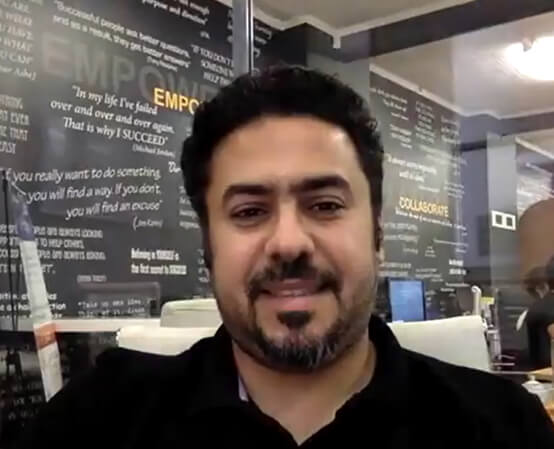
"They feel like our team — not a vendor."

RH
Ismail Abualsmah
CEO, Trieval
01:18
Repeat client
Although regulations prevented the site's launch, it met all requirements in terms of form and function. Fullestop's project plan charted a clear course to completion. The team's flexible, diverse talent pool enabled them to manage each stage of the project with consistent levels of skill.
Fast turnaround
Weekly demos, no surprises, and they push back when we're wrong. That last part is rare. Cut our cloud bill 47% in the first audit.

News & insights

Check Out the Latest Trends and Tech Discussions

We constantly come up with top-tier resources and breathtaking ideas that would help you stay informed about
the latest happenings in the tech world.

Custom WooCommerce Plugin Development: How to Enha...

Do you have issues with your WooCommerce shop? Have you ever considered customizing your online store beyond the available options? Customizing your p...

Read More Arrow

How To Make Online Selling App? Tech & Busine...

Are you unsure of how to develop an online selling application? If you want to boost your business's ROI by creating an engaging online selling app, t...

Read More Arrow

How AI-Powered Features Are Transforming Shopify E...

In the rapidly evolving landscape of online retail, AI-powered features are no longer a luxury but a necessity for any successful Shopify ecommerce st...

Read More Arrow

How to Make a Marketplace Website from Scratch in ...

An online marketplace is an eCommerce site that allows multiple sellers to sell their goods in a single storefront. This is what distinguishes the mar...

Read More Arrow

Build a Courier Delivery App for Courier Bussiness...

Delivery via courier is not a new business. The results of online businesses are the reason for the shifts that this sector has undergone recently. Du...

Read More Arrow

10 Powerful Strategies to Improve Your E-commerce ...

The significant growth in the e-commerce sector has driven a large number of enterprises to this profitable and necessary transition. Businesses are i...

Read More Arrow
Frequently Asked Questions

The questions every founder asks us.

  1. eCommerce website development is the process of designing, building, and configuring an online store that lets businesses sell products or services digitally. It covers everything from frontend design and product catalogue setup to payment gateway integration, order management, inventory tracking, and logistics — all working together to deliver a seamless buying experience for customers and a manageable backend for store owners.

  2. The right platform depends on your business size, technical requirements, and growth plans. Magento is best suited for large-scale stores with complex product structures, multiple storefronts, or high transaction volumes — it offers deep customisation but requires experienced developers. WooCommerce is ideal for businesses already on WordPress that want flexibility without platform migration. Shopify is the fastest route to launch for straightforward retail stores, with minimal technical overhead. Fullestop works across all three and recommends the platform that fits your catalogue size, team capability, and budget — not the one that's easiest for us to build.

  3. B2C (Business to Consumer) eCommerce focuses on delivering a fast, intuitive shopping experience for individual buyers — emphasising product discovery, checkout speed, and personalisation. B2B (Business to Business) eCommerce addresses more complex buying workflows, including bulk pricing tiers, quote requests, account-based access, credit terms, and multi-user purchasing. Fullestop develops both, with solutions tailored to the specific transaction logic, user roles, and integration requirements each model demands.

  4. Yes. Fullestop develops native and cross-platform mobile eCommerce apps for iOS and Android that share product catalogues, inventory, and order data with your web store. Our team reviews your existing workflows and recommends the right mobile architecture — whether that's a React Native app for a unified codebase, native development for performance-critical use cases, or a progressive web app for a lighter-weight mobile experience.

  5. Payment gateway integration is a standard part of every eCommerce build. Fullestop integrates with major global and regional gateways — including Stripe, Razorpay, PayPal, and others — as well as handling tax calculation, currency conversion, and shipping cost configuration. All integrations follow PCI DSS compliance standards to ensure customer payment data is handled securely from checkout through to order confirmation.

  6. SEO is built into the development process rather than treated as an afterthought. This includes clean URL structures, schema.org product markup, optimised page load speeds, mobile responsiveness, canonical tag configuration, and XML sitemap generation. For Magento, WooCommerce, and Shopify builds, Fullestop also configures platform-specific SEO settings to ensure your product and category pages are fully indexable and structured for search visibility from launch day.

  7. Yes. Fullestop offers supply chain management and logistics solutions that integrate directly into your eCommerce platform. This covers demand forecasting, stock optimisation, drop shipping configuration, order fulfilment workflows, and real-time shipment tracking — all connected to your shopping cart so customers and store managers have end-to-end visibility from order placement through to delivery.

  8. Every eCommerce solution Fullestop delivers includes analytics configuration covering customer acquisition and retention, sales conversion rates, cart abandonment, inventory turnover, and revenue reporting. For larger operations, we integrate business intelligence tools that provide deeper segmentation and forecasting. These reports give store owners the data needed to make informed decisions on pricing, stock levels, and promotional strategy rather than guessing at what's driving results.

  9. Timeline depends on platform, catalogue complexity, custom feature requirements, and whether third-party integrations are involved. A standard WooCommerce or Shopify store can launch in 4–8 weeks. A Magento build with custom workflows, ERP integration, or multi-store configuration typically takes 10–16 weeks. Fullestop provides a project plan with defined milestones before development begins so you know exactly what's being built and when it goes live.

  10. Yes. Fullestop's technical team provides 24/7 maintenance and support covering platform updates, security patches, performance monitoring, bug fixes, and feature additions. Whether you need a managed support contract or ad hoc assistance, ongoing maintenance ensures your store stays performant, secure, and conversion-ready as your business scales.

Pick your starting line

Three ways to get the wheels turning.

No matter where you are - back-of-napkin idea or migrating a 7-year-old monolith - we have a low-risk first step.