Software modernization that turns legacy into leverage

Modernization services designed to transform outdated applications into scalable, secure, and high-performing digital products built for modern business demands.

What you get

Not just upgrades.
A Future-ready software.

Software modernisation is the process of transforming legacy software systems into modern, maintainable, and scalable applications using cloud migration, microservices re-architecture, UI modernisation, and technology stack upgrades. Modernised software reduces operational costs, eliminates security risks from unsupported platforms, and unlocks new capabilities that legacy systems cannot support.

  • Legacy systems, rebuilt for scale

    Modern architecture upgrades designed for performance, reliability, and future expansion.

  • Cloud-ready infrastructure

    Migrate applications to scalable cloud environments with improved flexibility and uptime.

  • Modern UI/UX experiences

    Redesign outdated interfaces with faster, cleaner, and more intuitive experiences.

  • Security & performance optimization

    Reduce vulnerabilities, improve speed, and optimize infrastructure efficiency.

  • Seamless modernization process

    Upgrade systems without disrupting daily business operations or user experience.

SERVICES WE OFFER

Our Software Modernisation Services
Legacy to Cloud-Native, Without the Risk

Legacy System Assessment &
Modernisation Roadmap

Comprehensive audit of your existing system documenting architecture, dependencies, technical debt, and compliance gaps. Output: a phased modernisation roadmap with effort estimates, risk ratings, and business case justification.

Monolith to Microservices
Re-Architecture

Decomposing legacy monolithic applications into independent, deployable microservices using the strangler-fig pattern maintaining operational continuity while progressively replacing the legacy core.

Cloud Migration Services
AWS, Azure, GCP

End-to-end cloud migration covering infrastructure assessment, migration strategy selection data migration, and post-migration performance validation.

UI/UX Modernisation &
Frontend Re-Platform

Replacing outdated frontend technologies (jQuery, AngularJS, legacy PHP views) with modern React, Vue, or Angular interfaces improving user experience and developer velocity simultaneously.

Database Modernisation
& Data Migration

Migrating from legacy relational databases or on-premise data stores to modern cloud-native databases with full data integrity validation, zero-data-loss migration processes, and performance benchmarking

API Modernisation REST
& GraphQL Migration

Replacing legacy SOAP APIs, proprietary protocols, and undocumented integrations with modern REST or GraphQL APIs with OpenAPI documentation, versioning strategy, and consumer migration support.

DevOps Transformation &
CI/CD Implementation

Introducing modern DevOps practices CI/CD pipelines, infrastructure as code, containerisation with Docker/Kubernetes, and automated testing as part of the modernisation programme.

Security Modernisation &
Compliance Uplift

Addressing the security vulnerabilities and compliance gaps that accumulate in legacy systems covering authentication modernisation, encryption uplift, and alignment to current regulatory requirements.

SOFTWARE MODERNIZATION in production

Platforms rebuilt for what comes next.

Modern digital experiences engineered to improve scalability, performance, security, and operational efficiency across every platform.

Stack-neutral

The right modernization for your business goals.

We modernize applications based on your scalability needs, infrastructure complexity, operational risks, and long-term product roadmap.

Frontend
Responsive UI.
Pixel-perfect interfaces.
React.js
Vue.js
Angular
Next.js
TypeScript
Tailwind CSS
Best for fast-loading, SEO-friendly, and highly interactive web applications.
Backend
Scalable APIs.
Rock-solid logic.
Node.js
Python / Django
Laravel / PHP
.NET / C#
Java / Spring Boot
Go (Golang)
High-throughput backends engineered for performance, security, and long-term maintainability.
Data & Enterprise Systems
Intelligent pipelines.
Enterprise-grade.
PostgreSQL
MongoDB
Redis
Elasticsearch
Apache Kafka
AWS / GCP / Azure
Scalable data infrastructure and enterprise integrations built for reliability at any load.
No vendor lock-in Pause, pivot or stop anytime.
Tailored to your goals Tech that fits your roadmap.
Built for speed & scale Deliver value, faster.
Secure by default Best practices, every time.
SOFTWARE MODERNIZATION Process

Six sprints. Modern systems on the seventh.

SPRINT 1 / Discovery

Legacy system assessment

Analyze architecture, infrastructure, performance bottlenecks, and technical debt.

SPRINT 2–3 / Strategy

Modernization roadmap

Define migration plans, architecture upgrades, and modernization priorities.

SPRINT 3–6 / Modernization

Rebuild & optimization

Upgrade systems, refactor code, modernize infrastructure, and improve scalability.

SPRINT 6 / QA

Stability & compatibility testing

Validate security, performance, and cross-platform reliability before deployment.

SPRINT 7 / Deployment

Controlled rollout process

Deploy updated systems with monitoring, rollback planning, and support readiness.

+ ONGOING

Continuous optimization & support

Long-term maintenance, scaling support, infrastructure monitoring, and future enhancements.

Industry expertise

We've shipped here. Many times over

Deep teams with industry context - not generalists googling compliance acronyms. Each industry below has 30+ shipped projects and a partner who knows the regulator.

Word of mouth

What clients tell their peers.

Real names, real companies, real numbers. Video on the left, written notes on the right - choose whichever feels more honest.

trieval

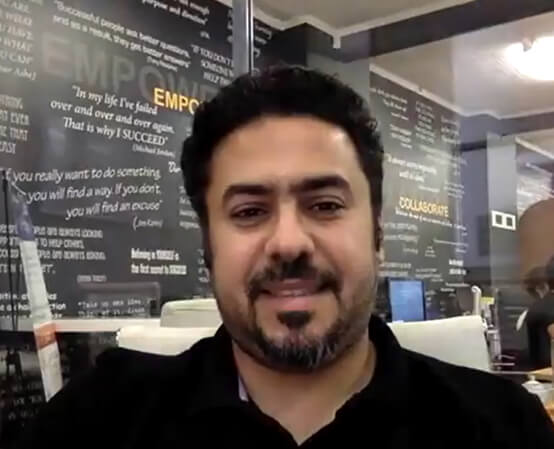
"They feel like our team — not a vendor."

RH
Ismail Abualsmah
CEO, Trieval
01:18
Repeat client
Although regulations prevented the site's launch, it met all requirements in terms of form and function. Fullestop's project plan charted a clear course to completion. The team's flexible, diverse talent pool enabled them to manage each stage of the project with consistent levels of skill.
Fast turnaround
Weekly demos, no surprises, and they push back when we're wrong. That last part is rare. Cut our cloud bill 47% in the first audit.

News & insights

Check Out the Latest Trends and Tech Discussions

We constantly come up with top-tier resources and breathtaking ideas that would help you stay informed about
the latest happenings in the tech world.

Choosing Your Stack: A Guide to LAMP, Node.js, and...

Choosing the technology stack for your custom web project—whether it's an ambitious SaaS platform, a high-traffic e-commerce site, or a sophisticate...

Read More Arrow

How to Choose: Off-the-Shelf vs. Custom Website De...

You know you need a website to scale your business, but you are confused whether to go with custom website development or choose an off-the-shelf solu...

Read More Arrow

Headless CMS vs. Monolithic: Choosing the Right Ar...

The Core Challenge: Why Traditional CMS Architectures Fail Modern Digital Needs? The world of custom web development solutions has moved beyond sim...

Read More Arrow

Selecting a Healthcare Software Development Compan...

Healthcare companies need to invest in customized healthcare software development to stay competitive. However, finding the best healthcare software ...

Read More Arrow

Top 10 Reasons to Migrate from Magento to Shopify ...

For years, the debate has often centered on two industry giants: Magento and Shopify. While both are powerful, they serve different business needs, an...

Read More Arrow

Navigating the Future: The Role of AI in Business ...

In the rapidly evolving landscape of modern business, the integration of Artificial Intelligence (AI) and Information Technology (IT) has emerged ...

Read More Arrow
Frequently Asked Questions

The questions every founder asks us.

  1. Prioritizing legacy systems involves assessing business impact, technical debt, and security risks. We start with mission-critical applications or those causing frequent issues, aiming to quickly improve user experience and reduce maintenance costs. This strategic approach ensures modernization efforts deliver measurable business value early on.

  2. Depending on the system and business needs, we recommend strategies like replatforming (moving to new infrastructure), refactoring (improving internal code without changing behavior), or complete reengineering for heavily outdated software. Choosing the right approach balances cost, risk, and required agility for future growth.

  3. Modular and microservices architectures break monolithic systems into independent, manageable components. This increases flexibility, allowing updates or new features to be deployed without impacting the entire application, enhancing scalability, improving fault isolation, and speeding up development cycles.

  4. Automation accelerates testing, deployment, and monitoring, reducing manual errors and speeding time-to-market. DevOps practices foster collaboration between development and operations, enabling continuous integration and continuous delivery (CI/CD), which ensures software updates are deployed reliably and efficiently.

  5. We mitigate risks by conducting thorough system audits, implementing phased rollouts, and maintaining parallel legacy systems during transition. Continuous testing and stakeholder communication help detect problems early, allowing for quick corrective actions that minimize operational disruptions and data loss.

  6. Cloud migration enables access to scalable resources, improved disaster recovery, and enhanced security features. Modernizing by moving applications to the cloud can reduce infrastructure costs, facilitate integration with new technologies, and support remote work environments-key advantages for modern businesses.

  7. Success is measured through improved system performance, increased user satisfaction, reduced operational costs, and faster delivery cycles. We track KPIs like system uptime, response times, defect rates, and business outcomes to ensure modernization efforts align with strategic goals and deliver tangible benefits.

  8. Ongoing monitoring ensures that modernized systems continue to perform optimally, quickly identifying bottlenecks or security issues. Regular optimization based on real user feedback helps adapt systems to changing business needs, ensuring the long-term return on investment for modernization efforts.

  9. Absolutely. Updating legacy software often involves replacing outdated components that pose security risks. Modern platforms support compliance with current regulations (like GDPR or HIPAA) and integrate advanced security features, protecting sensitive data and reducing exposure to cyber threats.

  10. We carefully plan integration by mapping dependencies and using APIs or middleware to connect legacy and modern components. Incremental modernization with thorough testing reduces compatibility risks, ensuring seamless operation of business processes throughout the transition period.

Pick your starting line

Three ways to get the wheels turning.

No matter where you are - back-of-napkin idea or migrating a 7-year-old monolith - we have a low-risk first step.